
Garner Chiropractic & Wellness Center is proud to provide the highest level of pain relief with the
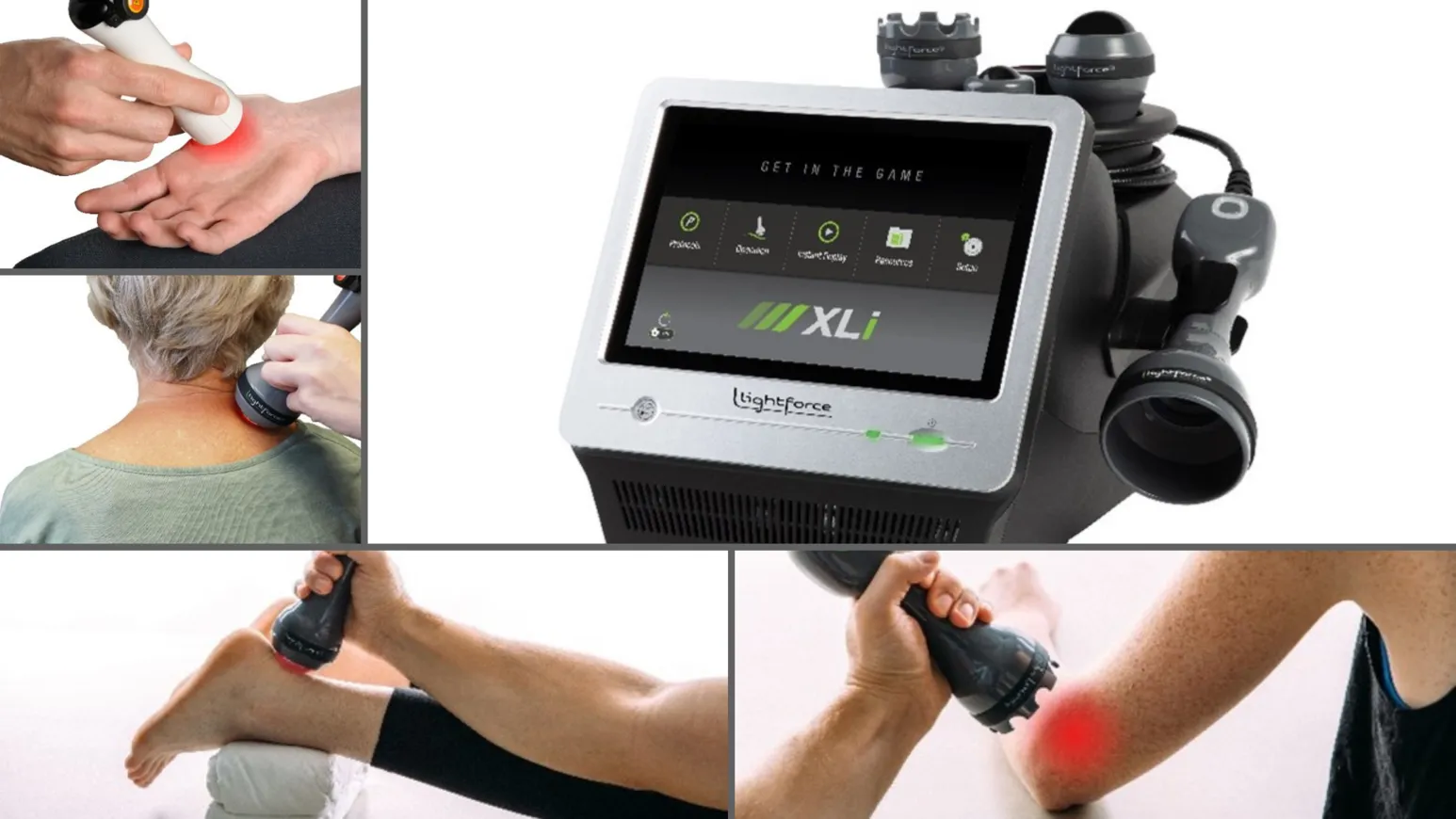
LightForce® XLi Deep Tissue Therapy Laser!
Laser therapy is a surgery-free, drug-free option for individuals suffering from both acute and chronic pain. Treatments are fast, safe, and painless. Most patients see results in 3 to 5 treatment sessions, and patients can expect notable pain relief, with the effects lasting longer after each treatment.
Laser therapy is clinically proven to reduce pain and inflammation associated with many common musculoskeletal conditions, such as:
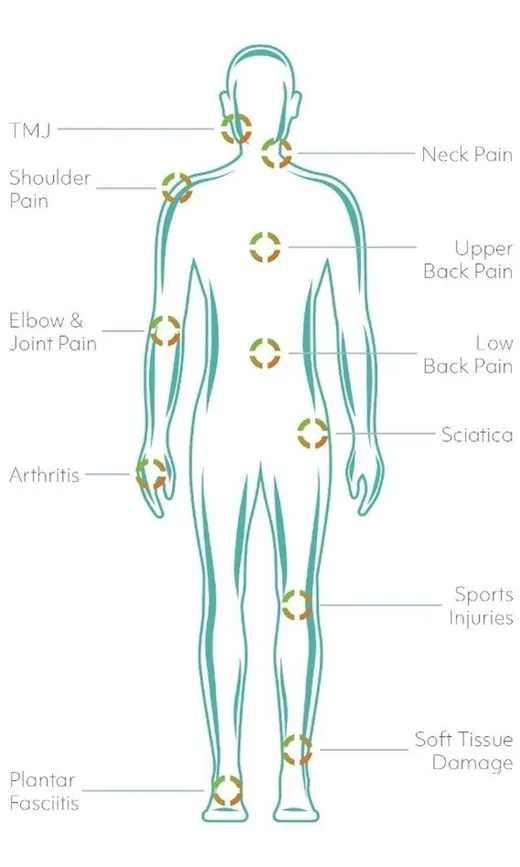
Neck Pain, Back Pain, Shoulder Pain, Sciatica, Arthritis, TMJ, Plantar Fasciitis, Sports Injuries, Soft Tissue Damage,
And Much More...
Laser therapy is endorsed by professional clinical organizations, including the World Health Organization (WHO), American Physical Therapy Association (APTA), and the International Association for the Study of Pain (IASP®) with over 3,000 research studies having been conducted in the field. The LightForce® XLi Deep Tissue Therapy Laser is FDA cleared and represents a great advance in medical technology. We are excited to provide another effective treatment option to our patients with this latest proven technology!
Garner Chiropractic & Wellness Center is excited to provide another effective treatment option to our patients with this latest proven technology!
Miss doing what you love? Contact Us!
What is Laser Therapy?
It is a medical treatment that uses focused light to stimulate a process within the cell called photobiomodulation (PBM). During PBM, the light interaction triggers a biological cascade of events that leads to an increase in cellular metabolism and a decrease in both pain and inflammation. This treatment is FDA cleared and enables patients to have an alternative to drug and surgery for pain relief.
How does Laser Therapy affect the body?
Rapid Cell Growth — Laser light accelerates cellular reproduction and growth.
Faster Wound Healing — Laser light stimulates fibroblast development and accelerates collagen synthesis in damaged tissue.
Increased Metabolic Activity — Higher outputs of specific enzymes, greater oxygen and food particle loads for blood cells and thus greater production of the basic food source for cells, Adenosine Triphosphate (ATP).
Reduced Fibrous Tissue Formation — Laser light reduces the formation of scar tissue following tissue damage from cuts, scratches, burns or post-surgery.
Anti-Inflammatory Action — Laser light reduces swelling caused by bruising or inflammation of joints to give enhanced joint mobility.
Increased Vascular Activity — Laser light induces temporary vasodilation increasing blood flow to damaged areas.
Stimulated Nerve Function — Slow recovery of nerve function in damaged tissue can result in “dead” limbs or numb areas. Laser light speeds the process of nerve cell reconnection to bring the numb areas back to life.
Frequently Asked Questions:
What does it feel like?
Laser therapy treatments must be administered directly to skin, as clothing or topical dressings interfere with delivering light to tissues beneath the skin. Patients will feel a soothing warmth as the therapy is administered. Many patients receiving LightForce Therapy Laser treatments report enjoying the experience, especially when the massage ball treatment head is used to deliver what is often referred toas a “laser massage.” Patients receiving treatments with higher-power lasers also frequently report a rapid decrease in pain. For someone suffering from chronic pain, this effect can be particularly pronounced.
How long do treatments last?
With LightForce lasers, treatments are quick, usually 4-7 minutes, depending on the size, depth, and chronicity of the condition being treated. High-power lasers deliver a lot of energy in a small amount of time, allowing therapeutic dosages to be achieved quickly.
How many treatments will I need?
Patients generally see results after 3 to 5 treatments. Garner Chiropractic & Wellness Center will develop specific plans of care based on the diagnosis and the tissues that are involved. Chronic conditions often require more therapy than acute conditions.

Ready to get back to what you love?:
Click here!
Does Laser Therapy work?
The short answer: It does!
Click Show More (below) for a list of resources and article excerpts for more information.
From our laser’s manufacturer:
https://lightforcemedical.com/...
https://lightforcemedical.com/...
Review of Literature on Low-level Laser Therapy Benefits for Nonpharmacological Pain Control in Chronic Pain and Osteoarthritis
Introduction: Low-level laser therapy (LLLT) is a form of light therapy that triggers biochemical changes within cells. Photons are absorbed by cellular photoreceptors, triggering chemical alterations and potential biochemical benefits to the human body. LLLT has been used in pain management for years and is also known as cold laser therapy, which uses low-frequency continuous laser of typically 600 to 1000 nm wavelength for pain reduction and healing stimulation. Many studies have demonstrated analgesic and anti-inflammatory effects provided by photobiomodulation in both experimental and clinical trials.
Conclusion: Based on current research, the utilization of LLLT for pain management and osteoarthritic conditions may be a complementary strategy used in clinical practice to provide symptom management for patients suffering from osteoarthritis and chronic pain.
Source:
Dima, Robert et al. “Review of Literature on Low-level Laser Therapy Benefits for Nonpharmacological Pain Control in Chronic Pain and Osteoarthritis.” Alternative Therapies in Health and Medicine vol. 24,5 (2018): 8-10.
Comparative evaluation of low-level laser therapy and ultrasound heat therapy in reducing temporomandibular joint disorder pain (TMJ)
Background: Pain, limitations in opening, asymmetrical jaw movements, and temporomandibular joint (TMJ) sounds are the most common findings in temporomandibular joint disorders (TMDs), which causes excruciating pain, inflammation of the surrounding muscles, posterior fibers, and synovial fluid. This study aimed to evaluate and compare the effects of ultrasound heat therapy and low-level laser therapy (LLLT) in reducing TMD-related pain.
Conclusion: Our study recommends LLLT for treating TMD-related pain with no underlying bony pathology.
Source:
Khairnar, Sanyukta et al. “Comparative evaluation of low-level laser therapy and ultrasound heat therapy in reducing temporomandibular joint disorder pain.” Journal of Dental Anesthesia and Pain Medicine vol. 19,5 (2019): 289-294. DOI:10.17245/jdapm.2019.19.5.289
Noninvasive Treatments for Acute, Subacute, and Chronic Low Back Pain: A Clinical Practice Guideline From the American College of Physicians
Low-Level Laser Therapy – Acute Pain
Low-quality evidence showed that a combination of low-level laser therapy (LLLT) and NSAIDs largely decreased pain intensity and resulted in a moderate improvement in function (as measured by the ODI) compared with sham laser therapy plus NSAIDs in patients with acute or subacute pain.
LLLT – Chronic pain
Low-quality evidence showed that LLLT slightly improved pain compared with sham laser and 1 RCT showed that LLLT slightly improved function compared with sham laser.
Note: Sham laser therapy = a deactivated laser device, has been used as a placebo control
Source:
Qaseem, Amir, et al. “Noninvasive treatments for acute, subacute, and chronic low back pain: A clinical practice guideline from the American College of Physicians.” Annals of Internal Medicine, vol. 166, no. 7, 2017, pp. 514–530. DOI:10.7326/m16-2367.
The use of low level laser therapy (LLLT) for musculoskeletal pain
Introduction: “Musculoskeletal pain affects 116 million Americans annually at a cost of $635 billion a year in medical bills, lost productivity and missed work or school. All therapeutic treatments have their benefits, but also possess different side effects, risks and or complications. The current treatment for musculoskeletal pain includes modalities, immobilization, medications, chiropractic care, physical therapy, behavioral management, injections and/or surgery. These standard therapies have their particular associated risks/side effect profiles including peptic ulcers/gastric bleeding, systemic effects (cardiovascular), infections (including epidural abscess), narcotic dependency/addiction, deformities, neurologic deficits, and surgical complications. The natural history of chronic pain is one of increasing dysfunction, impairment and possible disability.”…
Conclusion: One has to be realistic about the therapeutic use of LLLT. The previous discussion has shown that LLLT is beneficial for pain relief and can accelerate the body’s ability to heal itself. LLLT has a long history and strong basic science evidence, which supports its use in pain management. It has few side effects and is well tolerated by the elderly. A laser or LED does not correct situations involving structural deficits or instabilities whether in bone or in soft tissue. Also, LLLT should only be used as an adjuvant therapy for pain relief in patients with neuropathic pain and neurologic deficits. Successful outcomes, like all medical management, depend on good clinical skills linked with an understanding of the nature of injury, inflammation, repair, pain, and the mechanism of laser and LED effects.
Source:
Cotler HB, Chow RT, Hamblin MR. “The use of Low Level Laser Therapy (LLLT) for musculoskeletal pain.” MOJ Orthop Rheumatol. 2015;2(5):188-194. DOI:10.15406/mojor.2015.02.00068
Effects of Class IV laser therapy on fibromyalgia impact and function in women with fibromyalgia
Objectives: This study evaluated the effects of Class IV laser therapy on pain, Fibromyalgia (FM) impact, and physical function in women diagnosed with FM.
Conclusions: This study provides evidence that LHT may be a beneficial modality for women with FM to improve pain and upper body range of motion, ultimately reducing the impact of FM.
Source:
Panton, Lynn et al. “Effects of Class IV laser therapy on fibromyalgia impact and function in women with fibromyalgia.” Journal of Alternative and Complementary Medicine (New York, N.Y.) vol. 19,5 (2013): 445-52. DOI:10.1089/acm.2011.0398
Class IV Laser Therapy: Interventional and case reports confirm positive therapeutic outcomes in multiple clinical indications
Introduction: “Low level laser therapy (LLLT) has been investigated and applied clinically for more than 30 years. Many studies demonstrate the safety and efficacy of LLLT. A systematic review of 11 trials that included 565 patients demonstrated that LLLT used in a specific dose range significantly reduced pain in chronic joint disorders. Another systematic review with metaanalysis of 18 randomized placebo-controlled trials evaluating LLLT in elbow tendonopathy concluded that LLLT provided short term pain relief with less disability, when administered in optimal doses directly to the lateral elbow tendon insertions. Another randomized placebo-controlled trial treating activated Achilles tendonitis in seven patients demonstrated that LLLT suppresses inflammation, measured by reduction in the inflammatory marker PGE2. Further, LLLT improved clinical indices of pressure pain and sing hop function in these patients. This therapeutic modality has become well established in sports medicine and physical therapy as a safe and effective method to treat pain by decreasing inflammation.”…
Conclusion: “Tissue that is damaged and poorly oxygenated as a result of swelling, trauma or inflammation has been shown to respond significantly to laser therapy irradiation. At the cellular level, deep penetrating photons activate a biochemical cascade of events leading to increased DNA/RNA, protein and collagen synthesis, increased cAMP levels, and cellular proliferation. The result of these reactions is rapid cellular regeneration, normalization and healing. Laser light energy is highly absorbed by skin and subcutaneous tissue, therefore, penetration is key to therapeutic result. Longer wavelengths and higher power output result in deeper penetration and higher dosage to the tissue. Larger laser therapeutic dosage levels produce improved clinical outcomes as illustrated in the case and interventional studies cited above. LLLT (Classes I-III) does not provide optimal clinical outcomes in most disease conditions because they cannot deliver the necessary dosage to deep structures without using excessively long treatment times. Class IV lasers have been shown to provide both the wavelengths and output power levels necessary to trigger therapeutic cellular metabolic changes.”…
Source:
Pryor, Brian A. PhD, “Class IV Laser Therapy: Interventional and case reports confirm positive therapeutic outcomes in multiple clinical indications.” LiteCure, LLC. 2009.
So, now are you ready to get back to what you love?: Click here!